

Contents
Cardiology is a specialized field of medicine dedicated to the diagnosis, treatment, and prevention of heart-related conditions. As the leading cause of death globally, cardiovascular diseases require comprehensive understanding and expert care. In this blog, we will delve into the fascinating world of cardiology, exploring its significance, advancements, and the importance of maintaining a healthy heart.
The Heart: The Lifeline of Our Body:
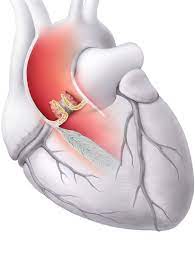
The human heart, a remarkable organ, serves as the powerhouse of the body’s circulatory system. It tirelessly pumps oxygen-rich blood to every cell, providing vital nutrients and removing waste products. Understanding the intricate functioning of the heart and its associated blood vessels is the cornerstone of cardiology.
Cardiac Conditions and Prevention:
Cardiology addresses a wide range of cardiac conditions, including coronary artery disease, heart failure, arrhythmias, valvular heart diseases, and congenital heart defects. By promoting prevention through lifestyle modifications, early detection, and risk factor management, cardiology strives to reduce the burden of cardiac diseases. Leading a heart-healthy lifestyle that includes regular exercise, a balanced diet, avoiding smoking, and managing stress is vital for maintaining cardiovascular health.
Diagnostic Techniques:
Cardiologists employ various diagnostic tools and techniques to assess heart health. These include non-invasive tests like electrocardiography (ECG), echocardiography, stress tests, and imaging techniques like cardiac MRI or CT scans. Invasive procedures such as cardiac catheterization and angiography provide detailed information about the heart’s structure, blood flow, and potential blockages. These diagnostic tools aid in accurate diagnosis, risk stratification, and personalized treatment planning.
Interventional Cardiology:
Interventional cardiology involves minimally invasive procedures performed by skilled cardiologists to treat heart conditions. Techniques like coronary angioplasty, stenting, and transcatheter valve interventions have revolutionized the management of coronary artery disease and valvular heart diseases. These procedures often offer faster recovery times, shorter hospital stays, and improved outcomes compared to traditional open-heart surgeries.
Electrophysiology and Arrhythmia Management:
Electrophysiology is a specialized branch of cardiology focused on diagnosing and treating heart rhythm disorders (arrhythmias). Cardiologists who specialize in electrophysiology employ techniques like electrophysiological studies and catheter ablation to identify and correct abnormal heart rhythms. Implantable devices such as pacemakers and implantable cardioverter-defibrillators (ICDs) are also used to manage arrhythmias and prevent sudden cardiac arrest.
Advancements in Cardiology:
Cardiology has witnessed remarkable advancements over the years. From the development of new cardiac medications to cutting-edge technologies like robotic-assisted surgery, transcatheter interventions, and the use of artificial intelligence in diagnosing heart diseases, innovation has improved patient care and outcomes. Research continues to uncover new frontiers in cardiology, aiming to further refine diagnostics, treatment strategies, and preventive measures.
Cardiology plays a pivotal role in the diagnosis, treatment, and prevention of heart diseases, helping individuals lead healthier and longer lives. By embracing a holistic approach that combines lifestyle modifications, early detection, and innovative interventions, cardiology strives to reduce the global burden of cardiovascular diseases. Regular check-ups, adherence to heart-healthy habits, and proactive management of risk factors are essential in maintaining optimal heart health. With ongoing advancements and dedicated healthcare professionals, the field of cardiology continues to evolve, fostering a healthier future for our hearts and those we hold dear.
For more updates please visit
https://www.tripncare.co


